Choosing a durable folding bed can be challenging. When thinking about what makes a folding bed durable for long-term use, several factors come into play. The frame material is crucial. Metal frames often offer better stability than wood. Look for high-quality steel construction, as it resists wear and tear.
Another important aspect is the mattress quality. A dual-layer or high-density foam mattress tends to last longer and provides better comfort. Pay attention to the bed's weight limit. A higher weight capacity generally indicates better durability.
Lastly, consider the bed's locking mechanisms. They should be easy to operate yet secure enough to prevent accidental folding. A well-designed folding bed may exhibit wear over time, requiring occasional maintenance or replacements. Assessing these factors can guide you to a reliable choice that meets your long-term needs.
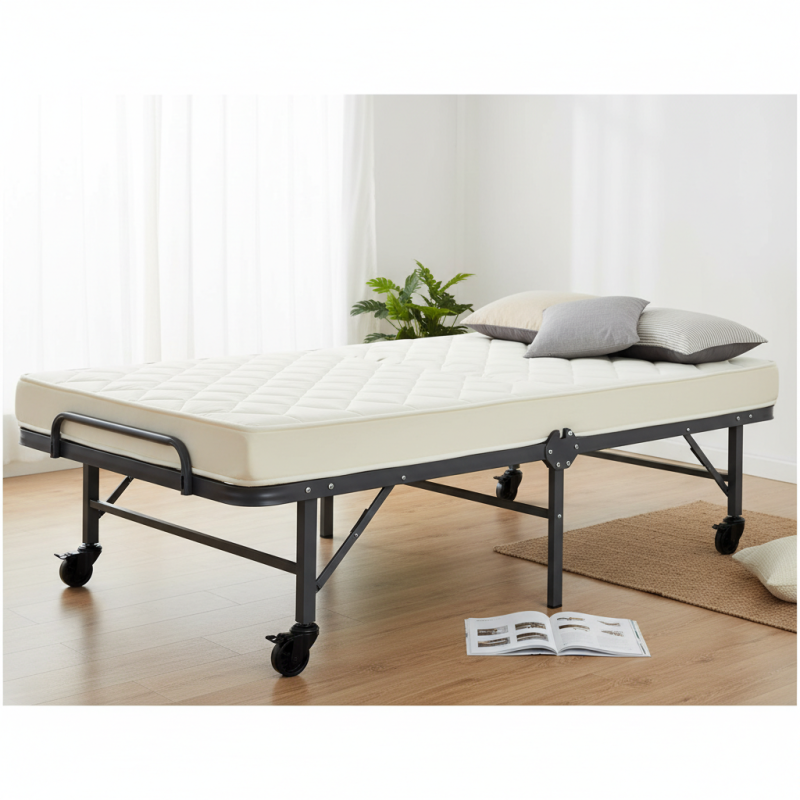
When selecting a folding bed, understanding durability is essential. A durable folding bed withstands regular use without collapsing or losing comfort. This is especially vital for long-term use, where wear and tear can become significant. Choosing materials wisely can enhance longevity. Steel frames often provide robust support compared to lighter options. Look for high-quality fabrics that resist tearing and sagging.
The construction of the folding bed plays a crucial role in its durability. Strong hinges and locking mechanisms ensure stability when in use. User experiences suggest that designs with simple setups tend to last longer. Regularly inspect for loose components or signs of wear. Make adjustments as needed to maintain function.
When considering a purchase, focus on weight capacity. A bed that supports heavier weights tends to be more durable. Additionally, opt for a design that allows for easy storage and transport. This affects overall life expectancy. Regular use can strain poorly made beds, leading to early replacement.
Balancing portability with strong construction should be a priority.
When searching for a durable folding bed, focus on key features that ensure long-term use. Firstly, examine the frame material. Steel frames are generally more robust than aluminum. They offer better stability and can withstand regular use. Next, consider the mattress quality. A thicker mattress usually means better support, which contributes to comfort during sleep.
Weight capacity is another crucial factor. Always check the bed's weight limit. A higher capacity often indicates a sturdier construction. Additionally, the ease of folding and unfolding is essential for daily use. A bed that collides or sticks can be frustrating. Look for designs with smooth mechanisms that allow hassle-free operation.
Lastly, portability is key for a folding bed. Lightweight options tend to be easier to move. However, lighter materials may sacrifice durability. It's a balancing act. Reflect on where you plan to use the bed. Consider storage space and environment. A high-quality folding bed should meet your needs without breaking down over time. Aim for a blend of practicality and resilience, embracing the imperfections that come with wear and tear.
Choosing a durable folding bed hinges significantly on the materials used. Sturdy steel frames often provide the best support. A frame made from high-quality steel can withstand substantial weight over time.
Aluminum is lightweight, adding portability, but check the construction quality.
The mattress also plays a crucial role. Memory foam is popular for comfort, but durability can vary. High-density foam lasts longer and resists sagging. Some individuals prefer innerspring mattresses for their support, yet they may be heavier. Always examine the foam density or spring count before purchasing.
Look for fabrics that resist wear and tear. High-quality polyester or durable cotton blends are ideal choices. They not only contribute to comfort but also enhance longevity. Waterproof or stain-resistant covers can be beneficial for maintenance. Reflect on your usage habits and storage needs; that could impact your choice significantly.
When selecting a folding bed, brand quality is vital for durability. A study by the International Sleep Products Association indicates that quality construction impacts bed lifespan significantly. Poorly made beds tend to sag or break, leading to discomfort and the need for early replacement.
Evaluate various brands based on materials used. Metal frames often offer better support than wooden alternatives. A recent consumer report highlighted that beds with reinforced steel frames last 30% longer than those made from lighter materials. It is also essential to consider the weight limit of a bed, as this affects its longevity. Beds with a weight capacity of 300 pounds or more generally exhibit better durability.
User reviews can reveal hidden issues. Many consumers report frame squeaking or unstable foundations in certain models. Such feedback helps avoid costly mistakes. Look for beds with easy assembly features, as complex setups can lead to assembly errors and affect stability. Always remember that a higher price does not necessarily guarantee better quality.
| Feature | Description | Durability Rating | Price Range |
|---|---|---|---|
| Frame Material | Steel or aluminum for strong support | High | $150 - $300 |
| Weight Capacity | Support for heavier users | Medium to High | $100 - $250 |
| Comfort Level | Thickness and type of mattress | Variable | $50 - $200 |
| Ease of Use | Fold and unfold mechanism | High | $80 - $180 |
| Portability | Weight and carrying options | Medium | $60 - $150 |
| Warranty | Length and coverage | Variable | $0 - $100 |
| Design | Style and aesthetics | N/A | $50 - $300 |
| Adjustability | Height and incline options | High | $120 - $250 |
| Customer Reviews | Feedback on durability | High | $0 - $400 |
When it comes to maximizing the life of your folding bed, regular maintenance is key. A study by the American Society of Furniture Designers indicates that proper care can extend the lifespan of furniture by up to 30%. Regularly cleaning the bed frame and surface helps prevent dirt build-up, which can lead to wear and tear. Use a damp cloth and mild detergent to wipe down the surfaces. Ensure that the bed is dry afterward to avoid rust or mold.
Check the mechanisms and hinges frequently. Lubricating these parts every few months can prevent squeaks and resistance when folding the bed. An estimated 20% of folding bed issues arise from neglected hardware. Tightening loose screws is also essential. This simple action can enhance stability and prevent accidents.
When not in use, store the folding bed in a dry, cool place. Humidity can damage the material and frame. You may want to consider investing in a protective cover to shield it from dust and moisture. According to furniture experts, a well-maintained folding bed not only lasts longer but also performs better, ensuring comfort for years to come.
This bar chart illustrates the durability ratings for different materials commonly used in folding beds. Steel frames are rated the highest for durability, making them suitable for long-term use, while plastic frames show the least durability. Choosing the right material is crucial for ensuring the longevity of your folding bed.
: Durability ensures a folding bed can withstand regular use without collapsing or losing comfort.
Look for sturdy steel frames and high-quality fabrics that resist tearing and sagging.
Strong hinges and locking mechanisms provide stability, prolonging the bed's lifespan.
A bed with a higher weight capacity tends to be more durable and stable over time.
High-density foam mattresses are often more durable, resisting sagging better than standard memory foam.
Regularly inspect for loose components and signs of wear, making adjustments as needed.
High-quality polyester and durable cotton blends are ideal for comfort and durability.
Lightweight materials like aluminum offer portability but may sacrifice sturdiness; always check construction quality.
Opt for designs that are easy to store and transport, balancing portability with strong construction.
Waterproof or stain-resistant covers can help with maintenance and enhance the bed's lifespan.
When considering what makes a folding bed durable for long-term use, understanding the importance of durability is crucial. Key features that contribute to longevity include robust construction, stable frame design, and high-quality hinges that withstand frequent usage. Additionally, the materials used play a significant role; sturdy metal frames, high-density foam mattresses, and quality fabric coverings ensure that the bed can endure repeated folding and unfolding without significant wear and tear.
Comparing different folding bed options can also help identify the best choices for durability, as various brands may offer differing quality assurances. To further enhance the lifespan of a folding bed, regular maintenance such as cleaning and proper storage practices should be employed. By following these guidelines, users can make informed decisions and select a folding bed that remains functional and comfortable over the years.

Rimkok Furniture